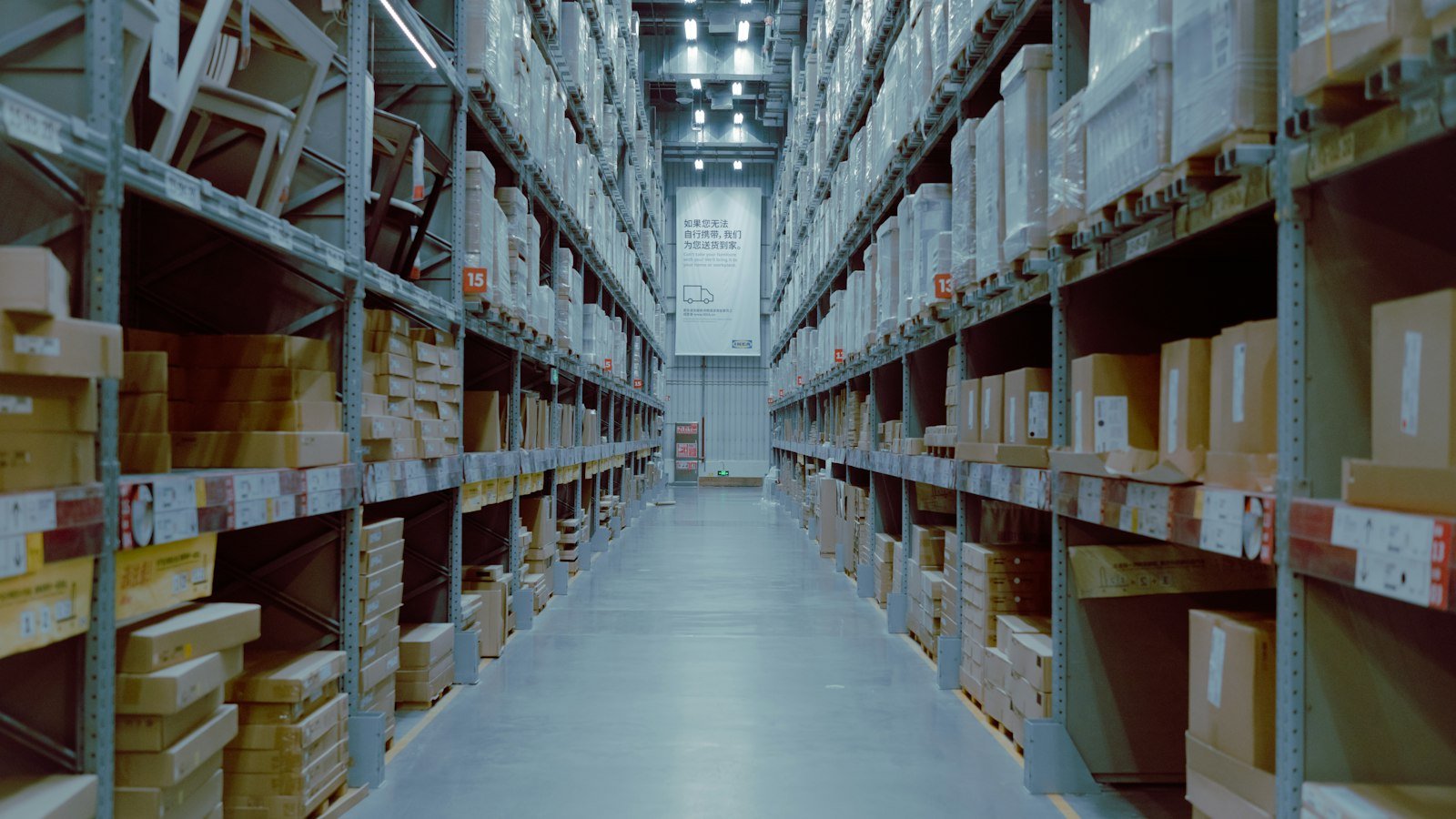
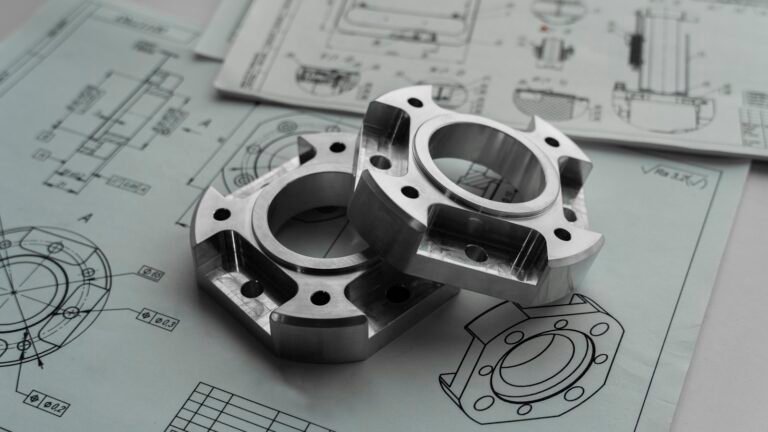
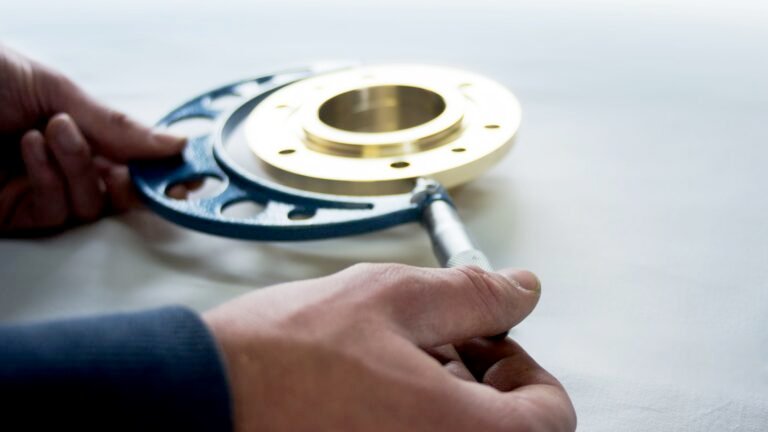
When a critical component fails and the replacement is weeks or months away, the real cost is not the part. It is the stalled production line, the repair bench waiting on a backorder, and the service commitment that slips. For many operations the root cause is the same: parts are ordered on demand, after the need appears.
The hidden cost of reactive sourcing
Ordering parts on-demand without data-driven forecasting leads to unpredictable inventory costs and frequent emergencies. Every stockout becomes a rush order, and rush orders rarely come with the best price or the shortest lead time. Over a year, those emergencies cost more than the parts themselves: expedited freight, idle labor, and customers who waited longer than they should have.
Start with your own part velocity
The most useful forecast for your parts is built from your own history. At Parts Cloud, every program starts with a comprehensive audit of historical part consumption, seasonality, and turnover rates. Looking at part velocity across quarterly, semiannual, and annual windows separates steady consumers from seasonal peaks and one-off events.
That history becomes a demand model tailored to your business cycles, built on an annual or quarterly basis depending on how your operation runs.
From forecast to production schedule
A forecast only pays off when supply is planned around it. Once the demand model is in place, it drives a dedicated production schedule for each part, so manufacturing runs ahead of consumption instead of chasing it.
Safety stock is a plan, not a pile
Safety stock is the buffer that absorbs variation: a busier quarter than expected, or a shipment that takes longer to arrive. Set it too low and you are back to emergencies. Set it too high and working capital sits on the shelf. Planning safety-stock levels against forecasted demand keeps each buffer proportional to the real risk of that part.
In a Parts Cloud program, the approved production program feeds directly into your supply chain with agreed safety-stock levels and scheduled dispatches.
What to gather before you start
- Part names or numbers for the components that fail or run out most often
- Annual quantities, or whatever consumption history you have on hand
- Current lead times from your existing suppliers
- What is failing today, and where it hurts most: production, repair, or field service
Those are the same inputs our intake form asks for. Our engineering and account team reviews submissions within 1 to 2 business days to verify fit and initiate an NDA.
Next step: request a part analysis to see what a forecast-driven program would look like for your parts.