Two questions come up in almost every first conversation about an alternative supply line for replacement parts. Will our designs and data stay confidential? And will the new part perform as well as the one it replaces? Both deserve a clear answer before a sample leaves your facility.
Confidentiality comes first
We work under strict mutual NDAs: proprietary components and customer data remain 100% confidential. The NDA is not an afterthought. Our engineering and account team initiates it when it reviews your submission, before technical work on your part begins.
Your business processes and component designs are safeguarded under ironclad non-disclosure agreements.
Validation happens in your equipment
A prototype that passes a bench check can still behave differently in the field. That is why the initial prototype goes back to your team for bench testing and real-world validation. Full-scale production only begins once the sample clears your rigorous field testing, and nothing scales without your sign-off.
Inspection before every departure
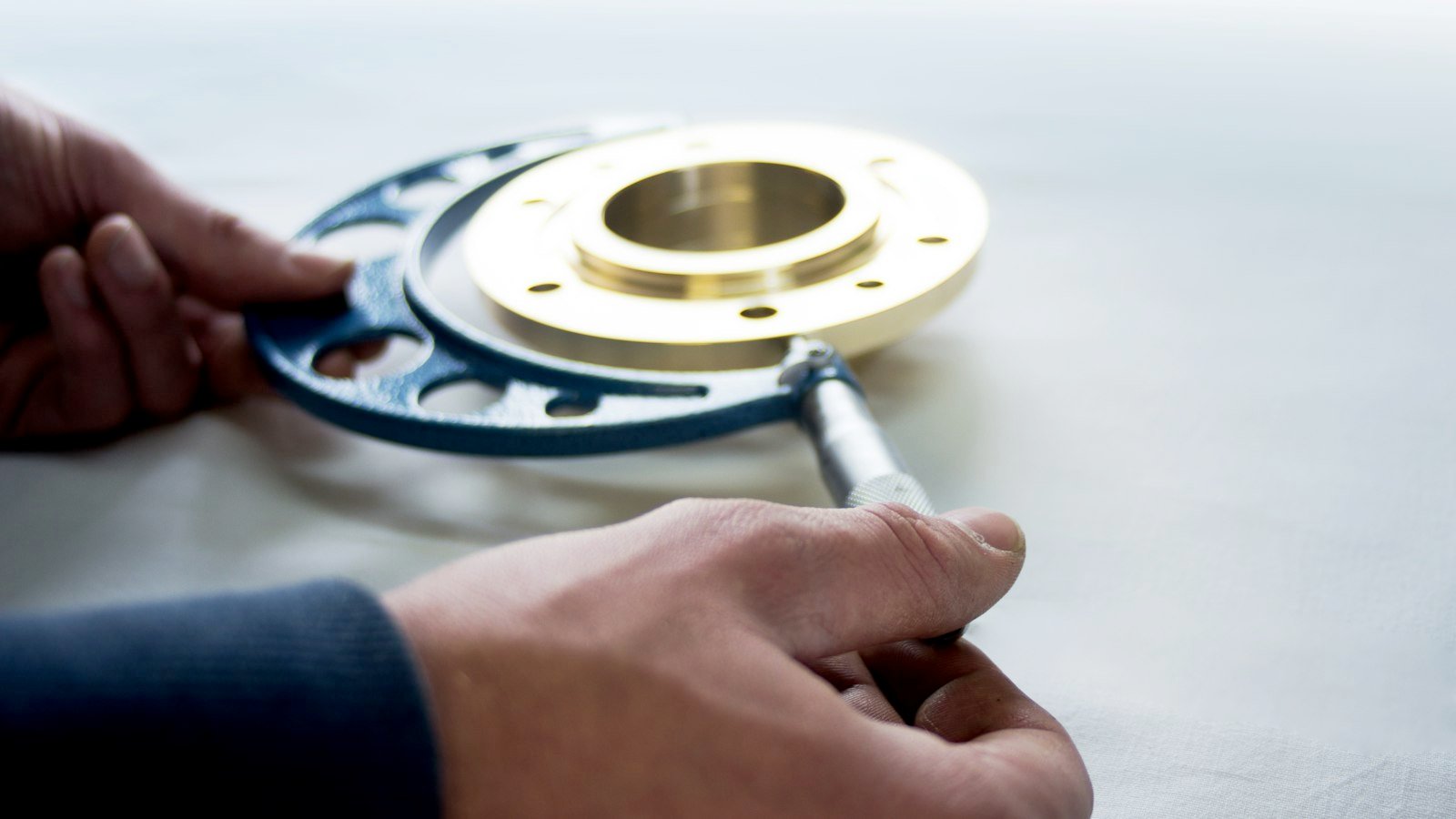
Quality control does not stop at approval. In production, parts pass rigorous multi-stage QA/QC (Quality Assurance / Quality Control) inspections before departure from our facilities in Central America and Asia.
Commitments you can plan around
Quality also means arriving on time. Production and delivery guarantees are contractual commitments to meet agreed turnaround windows and inventory replenishment targets.
Questions to ask any parts supplier
- Will you sign a mutual NDA before we share drawings or samples?
- Who validates the prototype, and does production wait for our approval?
- How many inspection stages does a part pass before it ships?
- Which delivery commitments are written into the contract?
Next step: to see how those answers apply to your parts, request a part analysis.